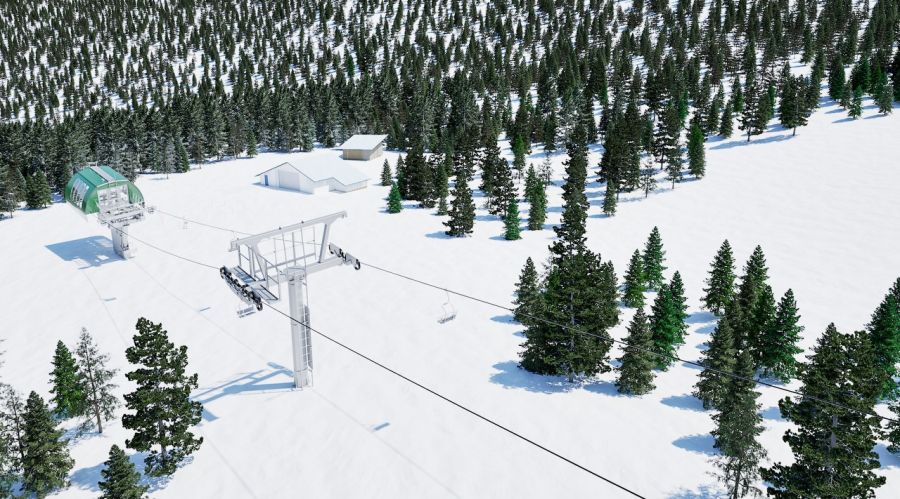
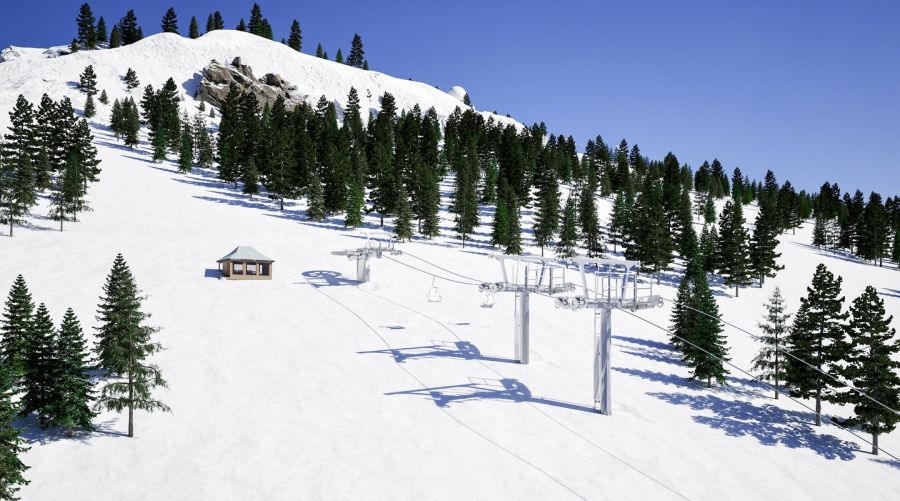
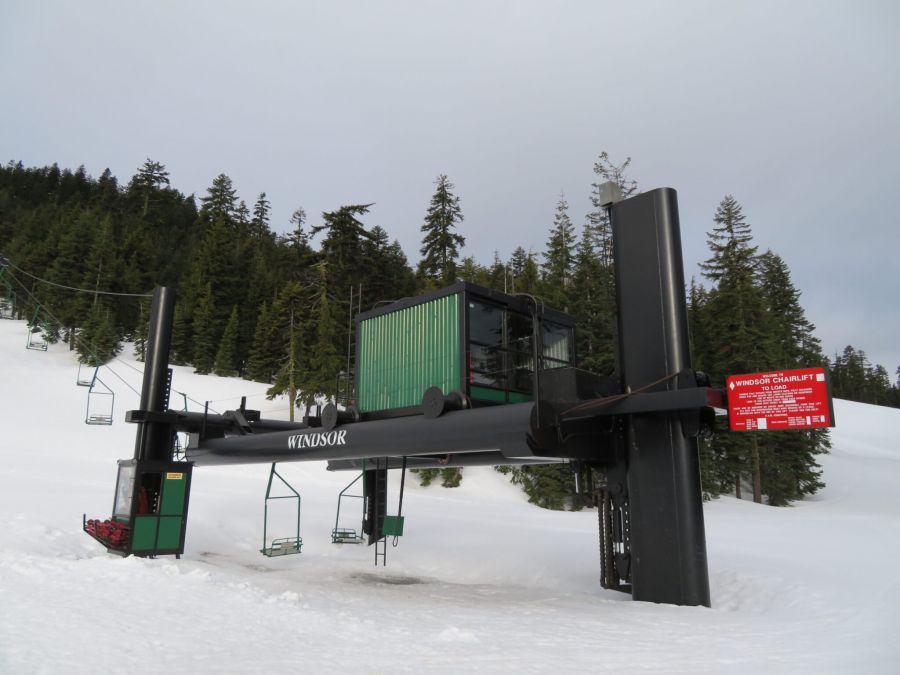
Mt. Ashland CEO: Why We Must Replace Windsor NowEarlier in 2025 we announced the next phase of the “Elevate Mt. Ashland” initiative- the Chairlift Replacement Project to replace the Windsor and Ariel Chairlifts. Here is an update: Every ski area has one piece of infrastructure that quietly holds everything together. At Mt. Ashland, that piece is the Windsor chairlift. Windsor isn’t flashy. It doesn’t get Instagram glory. Few people buy a season pass because of Windsor. But if Windsor goes down, the entire mountain feels it immediately. That’s why we’re talking about replacing it now. This isn’t about comfort. It’s not about modernization for the sake of modernization. It’s about reliability — and protecting the future of Mt. Ashland. Windsor serves the middle of the mountain. It connects terrain, spreads skier traffic, supports lessons, and keeps lift lines manageable across the entire ski area. There’s a reason we often refer to it as the “portal to the mountain.” When Windsor is running, the whole mountain works better. Guests circulate instead of stacking up in one zone. Lessons, terrain parks, and youth competition programs can operate efficiently. Patrol response times stay reasonable. The mountain skis the way it’s meant to — spread out, balanced, and fluid, not constrained by bottlenecks. When Windsor is unavailable, we don’t just lose a lift; we lose that balance. Here’s the part that’s uncomfortable but important to say plainly. Routine inspections have revealed that a critical component of Windsor is at the end of its service life and would require repairs costing seven figures. This isn’t speculative. It’s not theoretical. It’s not a “someday, maybe” problem. The chairlift is still safely operable, although it has a very limited lifespan remaining. Replacement parts are increasingly scarce. Repairs are increasingly expensive. And the longer we wait, the fewer good options we have. If Windsor were to fail mid-season, we would lose a critical section of the mountain and see a sharp reduction in uphill capacity. Guest experience would suffer immediately, and the estimated financial impact could exceed $1 million per year — on top of the repair costs themselves. That’s not a bad weekend. That’s an existential problem for a community ski area. There’s a big difference between replacing a lift on our timeline — with planning, fundraising, and care — and being forced to repair or replace one in an emergency, under pressure, at maximum cost, with limited choices. Good mountain management is boring in the best way. It’s about fixing the roof before it caves in. Waiting until Windsor fails doesn’t save money. It multiplies risk. A comfort upgrade is something that makes skiing nicer. A necessity is something that keeps skiing possible. Windsor squarely falls into the second category. Holistically, the Chairlift Replacement Project isn’t about faster chairs, heated seats, or bells and whistles. It’s about operational resilience and financial stability. It’s about protecting the investment our season pass holders make in this mountain each year, and ensuring that Mt. Ashland can reliably open, operate, and serve this community not just this season, but for decades to come. Replacing Windsor is the first step in doing just that. If Windsor were a vehicle, we wouldn’t be debating new floor mats — we’d be talking about a failing engine. As a community, nonprofit-owned ski area, every major decision we make has to pass a simple test: Does this protect access, affordability, and long-term viability? Replacing Windsor does exactly that. It reduces sustainability risk, improves reliability, and supports better skiing across the mountain. Most importantly, it helps ensure that future generations can have the same formative experiences here that so many of us did. And while many of you are understandably eager to see Ariel replaced as well, Windsor is the immediate need. It carries the greatest operational and financial risk to the mountain today, with known mechanical limitations, escalating repair costs, and increasingly scarce parts. A failure of Windsor would immediately compromise the middle of the mountain and create cascading impacts on capacity, guest experience, and financial performance. Ariel, while also aging and planned for replacement in 2027, does not present the same level of immediate risk. Replacing Windsor first is a continuity-management decision — stabilizing the system before moving on to the next major investment. The bottom line is simple: this isn’t a luxury project. It isn’t optional. And it isn’t something we can responsibly postpone. Replacing Windsor is about keeping Mt. Ashland open, functional, and financially healthy — not just this season, but for the long haul. And that’s why we’re doing it now. Andrew Gast General Manager |
|

ropeways.net | Home | Ropeways | 2025-12-26
 Back
Back Add Photos
 Print
PrintMore articles:
Black Mountain Abandons Co-op Plans
2026-03-23
Mountain Planet: Mountains: Design, a New Driver of Cable Mobility in Mountain Regions
2026-03-20
Powder Mountain: New lifts, more terrain, unbelievably uncrowded skiing
2026-03-19
Google Adsense